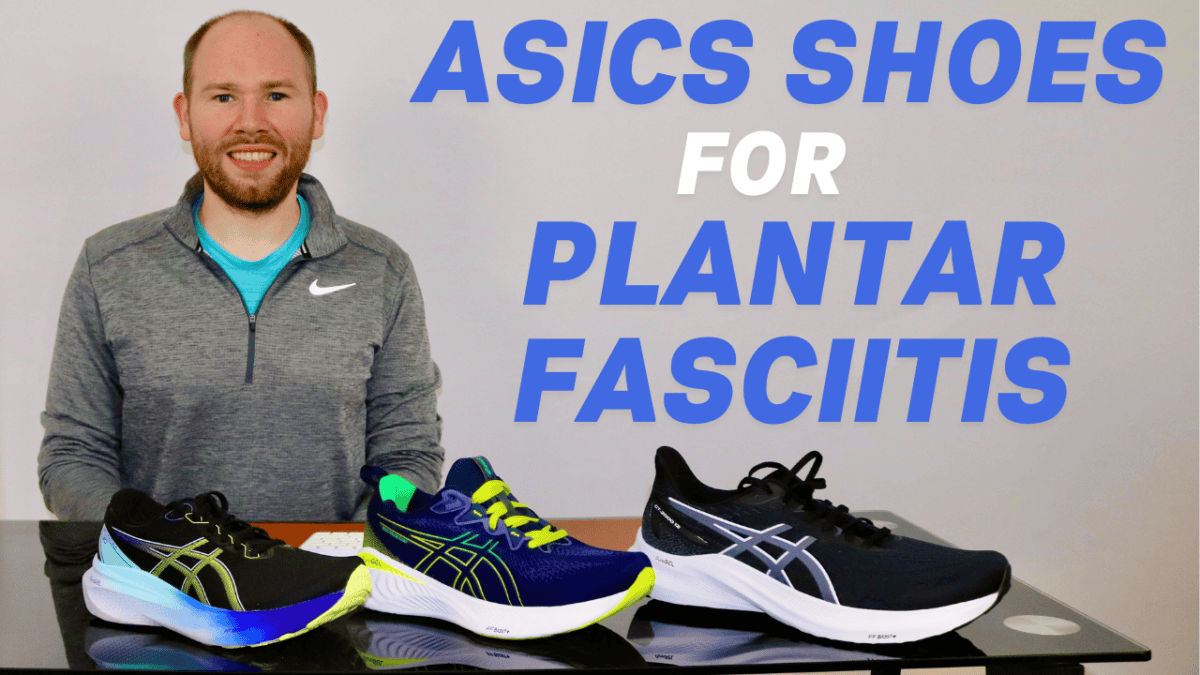
**Stop rolling pain, find the flawless gym shoes for plantar fasciitis!** Discovering sharp, unrelenting pain after a workout can turn even the simplest exercise into a daily struggle. Users across the U.S. are increasingly searching for relief—not just fleeting fixes, but stable, supportive footwear designed specifically to ease plantar fasciitis symptoms. With more people prioritizing wellness and preventing recurring injuries, gym shoes that support the arch and reduce strain have become a topic of growing importance in health-conscious communities. The growing demand reflects a shift toward preventive care, where proper support during physical activity prevents discomfort from worsening. Why is “Stop rolling pain find the flawless gym shoes for plantar fasciitis!” becoming a trending query right now? It reflects an uptick in awareness about foot health, especially among runners, fitness enthusiasts, and office workers turning to gyms to stay active despite nagging pain. Social media and health forums highlight real stories of people switching shoes as a critical step in recovery—without relying on overpromised gimmicks. This isn’t just about comfort—it’s about preventing long-term strain that limits daily movement and quality of life. How do the right gym shoes actually help relieve plantar fasciitis pain? Plantar fasciitis stems from inflammation of the thick band of tissue along the bottom of the foot, often triggered by overuse, poor biomechanics, or inadequate support. Supporting shoes designed with deep heel counters and aligned arch traction reduce tension on the plantar fascia. Responsive cushioning and motion control help absorb impact while keeping the arch properly supported—easing pressure during repetitive stress. The key is a balance: firm enough for stability, soft enough to mimic natural foot motion. Still, users often ask: What does “plantar fasciitis shoe support” really mean? Many hesitate due to mixed recommendations—some shoes exaggerate support claims, while others fall short. Experts agree that the best options feature structured arch control, durable heel stability, and flexible yet purposeful cushioning—not just soft soles. Important to note: no single shoe works for everyone. Individual foot structure, stride, and activity level shape optimal fit. To clarify common confusion, consider these frequently asked questions:
**H3: Do custom orthotics replace the need for supportive shoes?** Orthotics can be highly effective for symptom relief, but they require prescription and custom fit. Many users benefit most from shoes designed with built-in arch support, offering immediate, consistent relief while promoting proper biomechanics. **H3: How long do plantar fasciitis shoes last?** Supportive shoes typically hold up 300–500 miles with daily use, depending on activity intensity and shoe design. Signs like flattening cushioning or loss of shape indicate replacement is needed to maintain effectiveness. For those exploring footwear solutions, not all options are equal. Users from active runners to casual gymgoers alike find value in shoes emphasizing alignment, stability, and gradual pressure relief—rather than trend-driven marketing buzzwords. Misconceptions around treatment persist—some believe plantar fasciitis disappears on its own, while others rush into harsh interventions. Reality: sustainable relief comes from consistent, evidence-based choices focused on biomechanics and gradual recovery. Minimizing impact, promoting optimal foot positioning, and avoiding progressing strain are key pillars of prevention and healing. The landscape of supportive footwear continues to evolve. Today’s options prioritize anatomical fidelity—supporting the arch without restricting natural motion. This shift matches a broader consumer demand for transparency and real results, especially among U.S. users who value reliable health solutions integrated into daily lifestyles. If you’re experiencing rolling pain during or after exercise, consider evaluating your footwear challenge with this informed perspective. Visit trusted retailer sites, read independent reviews, and consult with a healthcare provider—especially one familiar with foot biomechanics. The right shoes aren’t just a trend; they’re an investment in sustainable movement and lasting wellness. Ultimately, finding the best footwear doesn’t require a revolution—just mindful selection, grounded in how your feet respond. Stop rolling pain. Step with confidence. Discover the strategically designed gym shoes built not just to cushion, but to support, align, and protect. Stay informed. Stay responsive. Your feet will thank you.
Youll Never Guess Which Hidden Resort in Costa Rica Rivals Luxury Hideaway
How This Hair Colour Grew Timelesslifechanging results youll never forget!
This One Cheese Elevates Your Grilled Cheese to Cheesy Glory
