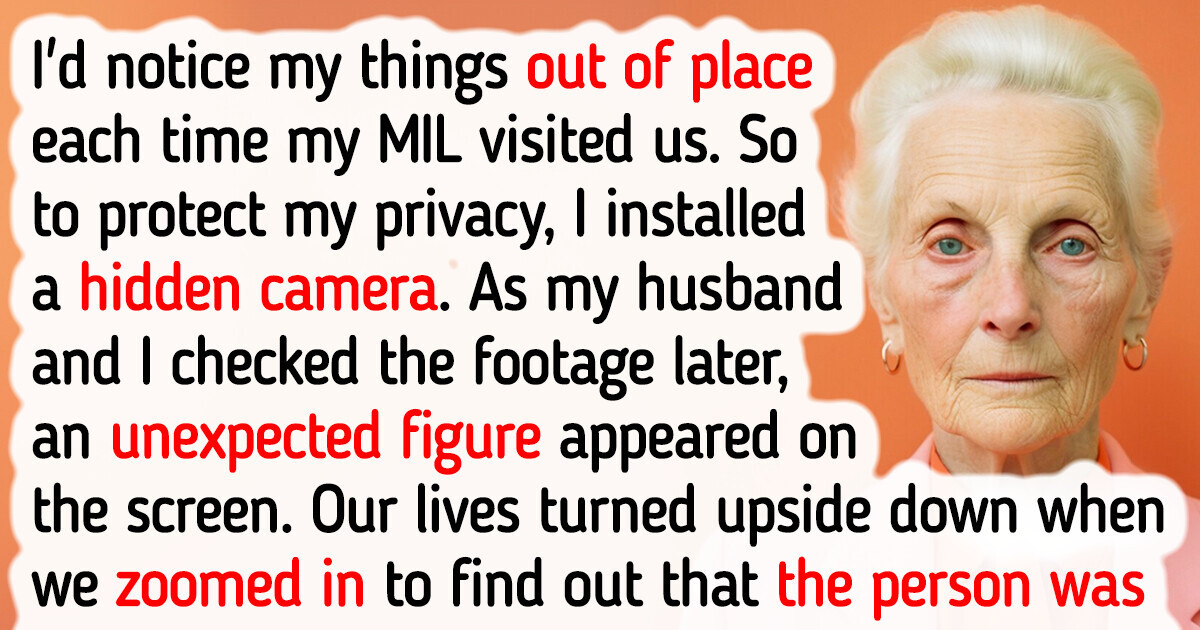
**The Hidden Camera Slyly Captured Every Moment Now—Your Privacy at Risk** In a digital age where every click, glance, and movement can be tracked—often without clear notice—concerns about private moments slipping into public view are growing. Recent conversations across U.S. households reveal a rising sense that hidden cameras—intentionally deployed or accidentally embedded—are no longer rare exclusives but a widespread, underdiscussed risk. This isn’t just a story for privacy advocates; it’s shaping how millions think about safety online and in everyday spaces. The question isn’t if cameras are watching—but how widely, quietly, and often—and why most people never realize the risk until it’s too late. The Hidden Camera Slyly Captured Every Moment Now Its Your Privacy at Risk isn’t about sex or scandal—it’s about invisible surveillance woven into the fabric of daily life. Hidden camera technology, once niche, now permeates smart devices, security systems, and even consumer gadgets designed for convenience. And while many people embrace these tools for home safety or workplace oversight, few stop to consider the fine line between protection and privacy invasion. Without clear transparency, consumers often remain unaware when cameras record passersby, neighbors, or strangers—capturing unguarded moments with little accountability. How does this quiet surveillance really work? Hidden cameras—discreet, battery-powered, or network-connected—can activate automatically or when triggered by motion, light, or even voice commands. They’re increasingly embedded in doorbells, baby monitors, fitness trackers, and parking sensors. Signal and data leaks happen when devices lack secure firmware updates or use default passwords, making them vulnerable to misuse. Worse, licensing checks often miss these soft or hidden deployments, leaving users exposed long after installation. Public awareness is rising, driven by recent news, government reviews, and digital literacy campaigns. Americans now report noticing strange signals, blurry images in public videos, or unexplained device behavior—signals many lack the technical know-how to verify. Misunderstandings persist: some assume “smart home devices” are safe because marketed for convenience, unaware of data routing to third parties. Others believe cameras only capture inside spaces, not outdoor encounters or transient moments. These gaps breed distrust and discomfort in everyday environments.
Where does this issue matter most in the U.S. today? For busy parents managing smart home security, it’s the added layer of parental oversight that may cross into unauthorized observation. For entrepreneurs and renters, it’s the potential exposure of personal workspace or client interactions. Urban dwellers in crowded areas face heightened exposure risks from public smart cameras. No single demographic is immune—but awareness varies widely, creating uneven vulnerability. Still, this conversation presents an important opportunity: informed choice. Understanding the technology, its reach, and how to protect privacy positions users to reclaim control. Users can audit connected devices, review privacy policies, enable two-factor authentication, and demand stronger security standards—actions that reduce risk without sacrificing innovation. Myths about hidden cameras often blur fact and fiction. A common misunderstanding is that only illicit actors use such devices. In reality, many hidden cameras go unnoticed not because they’re sophisticated, but because they blend into everyday tech. Another myth assumes linking a device to the internet guarantees safety—yet poor configuration ruins that promise. These misconceptions fuel anxiety without clear guidance. To navigate this terrain, start with transparency: scan devices linked to your network, disable unnecessary permissions, and use built-in privacy controls. Stay informed through trusted resources that explain device capabilities without fear-mongering. Opt for products with clear end-of-life support and strong encryption. When making choices—like installing home security gear—ask: Is my privacy truly protected? Who owns the footage? How is data handled? The Intrusion of The Hidden Camera Slyly Captured Every Moment Now Its Your Privacy at Risk is reshaping digital behavior in the U.S. It’s not just about technology—it’s about trust, awareness, and redefining boundaries in an always-on world. Awareness alone isn’t enough, but informed action is empowering. By learning how these systems work, questioning defaults, and calling for accountability, everyone gains tools to protect what matters most—without fear, without compromise. Stay mindful. Stay safe. And engage with the tools you trust. The moment a camera watches without knowing your consent—your privacy has quietly slipped away. Being aware is the first step toward reclaiming it.
Discovered by Avid Travelers: The Most JawDropping Stay on the Shore
This Hotel Transforms Daylight Into Magic at Sunset
Discover the Hairstyles That Make Square Faces Look Magic!
