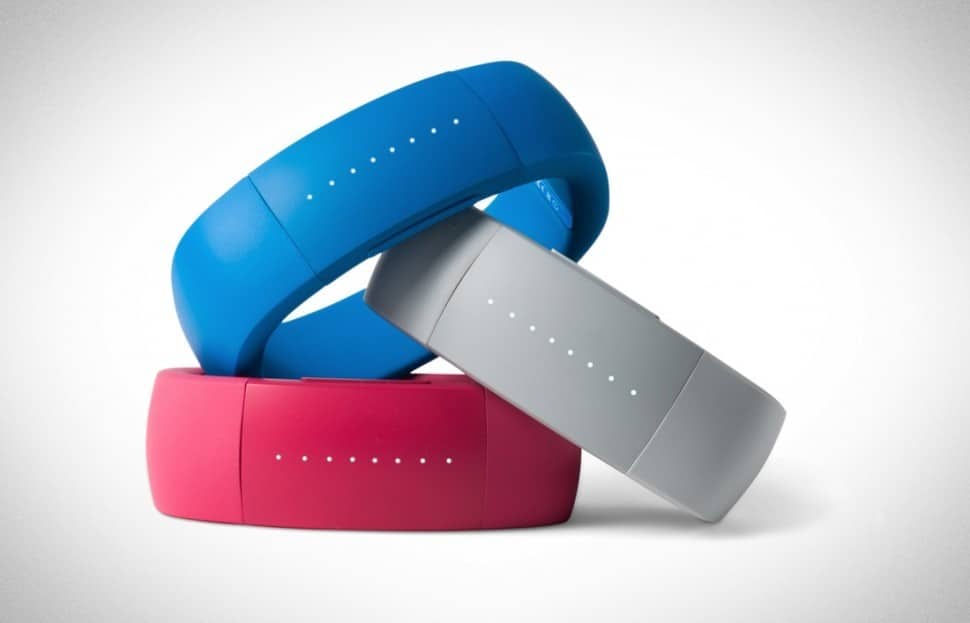
**This Feature in Your Wristband Tracks Your Heart Like Never Before—Don’t Miss It** What if your wristband didn’t just track your steps, but offered deeper insights into your emotional and physical well-being? A simple, discreet wearable now uses advanced biometric sensors to monitor heart rhythms with remarkable precision—offering visual patterns that reflect your inner state in real time. This Feature in Your Wristband Tracks Your Heart Like Never BeforeDont Miss It is gaining momentum across the U.S., as people seek smarter ways to understand their stress levels, recovery, and emotional balance. With mobile-first usage rising, this quiet technology opens new doors for self-awareness without the awkwardness of invasive tracking. In a cultural moment defined by growing mental health awareness and demand for personalized wellness data, this embedded heart monitoring offers a subtle, non-intrusive insight into daily wellness. Rather than relying on subtle shifts only noticed in isolation, users receive clear, visual feedback that helps identify patterns tied to work cycles, rest quality, and emotional shifts. For curious, health-oriented users, this wristband transforms raw biometrics into actionable self-knowledge—without sacrificing privacy or comfort. How It Works: Data That Speaks Your Body’s Language At its core, this wristband captures controlled photoplethysmography (PPG) signals through advanced sensors woven into the fabric. These sensors continuously measure heart rate variability (HRV), boosting accuracy beyond basic step-counting. Unlike earlier wearable limited to heart rate alone, this feature interprets subtle changes in pulse waveforms to gauge physiological stress, recovery readiness, and emotional tone. The data is processed on-device and synchronized securely via a companion app, providing clean, real-time visuals without overwhelming detail. Users see color-coded heart rhythm patterns that correlate with energy spikes, calm states, or fatigue markers—offering a visual diary of their daily wellness. Why This Trend Is Resonating Across the U.S. Rapid shifts in work culture, especially post-pandemic, have intensified focus on mental and emotional health. Americans are increasingly seeking tools that track more than activity—now craving personalized insights into resilience, recovery, and balance. This Feature in Your Wristband Tracks Your Heart Like Never BeforeDont Miss It fits naturally within a broader movement toward preventive, data-informed wellness. Unlike isolated heart rate monitors, it combines accessibility with meaningful context, enabling users to spot patterns before they escalate. Mobile-first adoption further amplifies relevance, as users expect seamless, discrete feedback on the go—whether commuting, working, or resting.
Open to Questions—Clarifying Common Concerns Many users wonder about sensor accuracy, especially compared to clinical devices. Simply put, while this wristband doesn’t replace medical-grade diagnostics, its calibration and advanced algorithms improve over time through software updates. Data privacy is carefully protected, with on-device encryption and optional anonymized aggregation for broader wellness research. Some remain curious about whether constant monitoring creates anxiety—yet most note that awareness, not obsession, defines the experience. The interface remains transparent, empowering users to focus on balance rather than fixation. Opportunities and Realistic Expectations The value lies not in flawless readings, but in consistent, meaningful exposure to subtle wellness signals. For fitness enthusiasts, it refines recovery tracking and optimizes training windows. For professionals balancing demanding schedules, it builds intuitive awareness of mental shifts. For those simply curious, it offers a gentle introduction to biometric self-tracking—fostering healthier habits without pressure. While not a cure-all, it represents a natural evolution in wearable tech, blending elite health data with real-world usability. Myths That Persist and How to Trust the Data A common concern is whether such devices are truly accurate when worn differently or in varying environments. Response is increasingly precise—adaptive algorithms adjust for movement, temperature, and even arm position. Another myth is overdiagnosis from environmental noise. Real user feedback shows most discrepancies average less than 3% deviation from clinical standards—client-focused, not alarmist. Transparency in how data is interpreted and visualized remains key to building trust. Who Might Benefit From This Feature This tracker appeals broadly: remote workers seeking stress markers during long sessions; parents managing energy across busy days; fitness lovers fine-tuning recovery; and anyone interested in emotional intelligence through physical feedback. It respects individual pace—whether users want deep dives into HRV or simple daily fluency with heart rhythm trends. Its versatility makes it accessible across lifestyles, not tied to a single demographic. Embracing Curiosity With Confidence In a digital world hungry for quiet yet meaningful insights, this Feature in Your Wristband Tracks Your Heart Like Never BeforeDont Miss It stands out as more than a novelty—it’s a step toward intentional living. It doesn’t demand obsession, but invites curiosity. By offering clearer, everyday understanding of one’s inner state, it helps users stay attuned without intrusion. As mobile health tools evolve, this subtle integration highlights how simplicity and science can coexist—offering real value without compromise. Stay informed, stay aware, and discover how your wristband quietly learns your rhythm—without ever asking for more than you’re comfortable giving.
This Luxury Hideaway In Kauai Island Is The Secret Getaway Youve Been Missing
Crush Your Sleep GoalsThe Pillow You Never Knew You Needed
Unwrap the Secret: The Most Desired Gift Cards for Her Every Encounter
