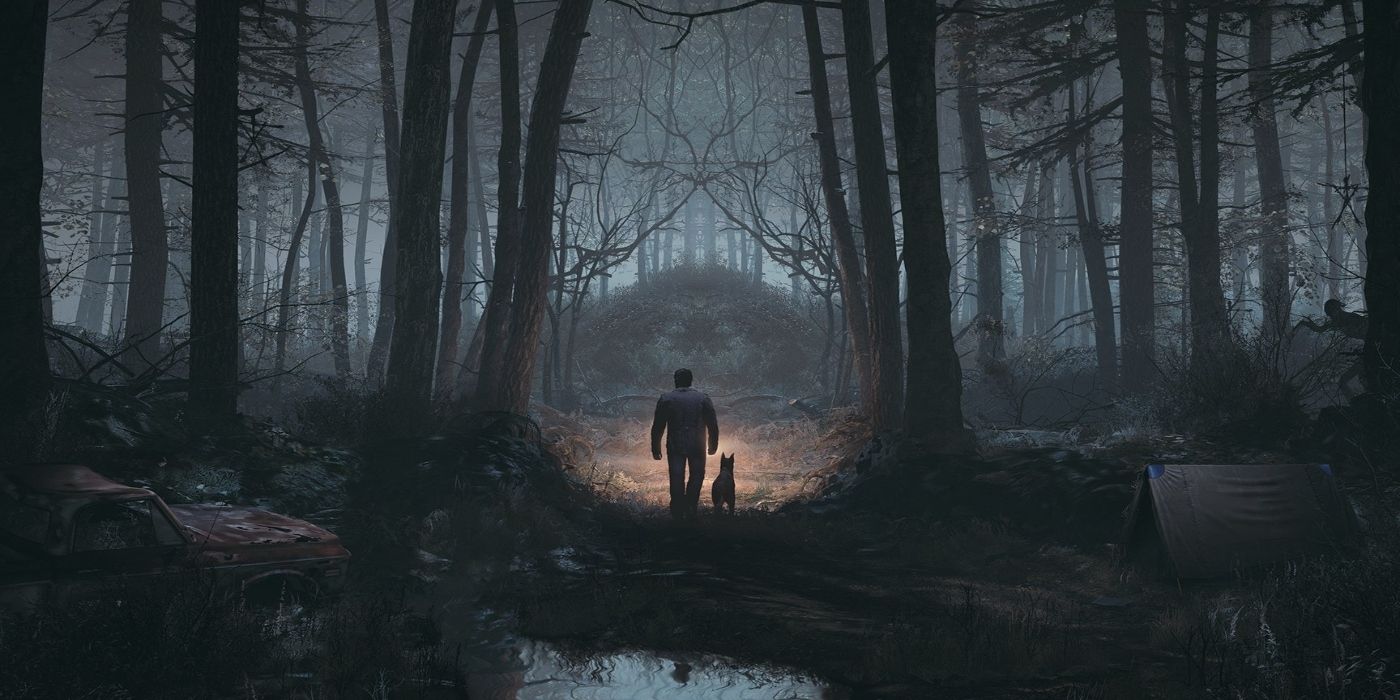
**You Wont Believe What These Horror Games Do to Your Mind on PS5 – And Why Developers Are Quietly Reshaping Fear** A growing number of gamers are pausing mid-play to wonder: *What’s happening mentally when they dive into the latest extreme horror titles on PS5?* These games aren’t just chilling—they’re triggering deep psychological responses that subtly affect attention, memory, and emotional processing. Right now, curiosity about this hidden mental impact is driving conversations across social feeds and gaming forums, supported by emerging neuroscience and digital wellness research. **Why the Obsession With These Horror Games Is Growing** U.S. audiences are increasingly drawn to psychological immersion, caught in a blend of Halloween anticipation and evolving gaming sophistication. Horror games on PS5 blend intense visuals, dynamic sound design, and emotional storytelling to push boundaries beyond jump scares. What’s becoming evident is not just entertainment—there’s a psychological footprint emerging, one users and researchers are only beginning to understand. This rise coincides with broader cultural focus on mental health, digital burnout, and how media shapes cognition—making such games a natural focal point for inquiry. **How These Games Reshape Mental Engagement on PS5**
These psychological responses often happen subtly, blending anxiety with curiosity, leaving players deeply aware of how immersive design can affect state of mind—without crossing into overwhelming territory. **Common Questions About the Mental Impact** **Can these games affect anxiety levels?** Yes, repeated exposure to high-tension scenarios can heighten vigilance and stress responses in sensitive individuals. While not harmful for most, those with anxiety disorders should approach immersive horror cautiously. **Why do I feel haunted after playing?** The “afterglow” effect—feeling emotionally pruned or cognitively heavier—is common. This stems from how memory and emotion consolidate under stress: breathing life into fictional fears can temporarily blur the line between fantasy and reality. **Are these games designed to manipulate emotions?** No single studio promotes emotional manipulation. Instead, developers leverage psychological principles ethically—balancing thrill with player agency to foster reflection, not just shock. **Who Benefits From Understanding This Impact?** Gamers seeking mindful play, parents guiding teens through digital media, and mental wellness advocates all gain clarity here. Knowing how immersion works helps people play intentionally, recognizing personal thresholds and protecting emotional balance. **Who This Matters For in the U.S. Context** Horror games drawing psychological attention span a shift in U.S. audiences: a growing appetite for content that challenges not just reflexes but mindset. Ps5 players aren’t just chasing scares—they’re exploring deeper layers of perception and vulnerability, tapping into a culture that increasingly values self-awareness and digital mindfulness. As gaming evolves as a psychological medium, understanding how these experiences affect the mind becomes both relevant and responsible. **Moving Forward: Stay Informed, Stay Intentional** The evidence points to a subtle but notable influence—proof that modern horror is no longer just fun, but function. For players, awareness builds resilience and enjoyment. For creators, it highlights the responsibility to design experiences that inspire curiosity without compromising well-being. In the competitive space of PS5 gaming, understanding the mind behind the fear transforms fear into knowledge—and knowledge into lasting game literacy. Don’t just play—the reflect. Stay curious, stay informed, and let this awareness guide how you engage.
Don’t just play—the reflect. Stay curious, stay informed, and let this awareness guide how you engage.
Guess What Hidden Gems Made Medellins Hotel Scene Unstoppable!
This Mistake Cost Hikers Their Best ViewDont Miss These Secret LA Trails
Unveiled Secrets of the Most Irresistible German Chocolate Cake Recipe
